
"SHG grade"
500 article(s) found

Introduction of El Salvador Pacamara Coffee Variety, El Paca
Salvadoran coffee ranks side by side with Mexico and Guatemala as the producers of Asa and Merdo, and is fighting for the top one or two places in China and the United States with other countries. The highlands of origin are large coffee beans of all sizes, which are fragrant and mild in taste. Like Guatemala and Costa Rica, coffee in El Salvador is graded according to altitude, and the higher the altitude, the better the coffee

Several coffee farms now harvested in Nicaragua introduce when coffee cherries will be harvested.
For professional baristas, please follow the coffee workshop (Wechat official account cafe_style). This coffee comes from Santa Candida Estate and is grown in the Matagalpa and Jinotega regions of Nicaragua. Coffee grows between 1200 and 1500. The main varieties are caturra,catuai and some maragojipe. The correct methods of agricultural practice, environmental protection and social awareness are

Nicaragua lemon tree estate introduction sun Pacamara coffee characteristics
Professional coffee knowledge exchange More coffee bean information Please pay attention to Coffee Workshop (Weixin Official Accounts cafe_style) Lemon Tree Manor, the name comes from the lemon trees that spread when it was discovered! Limoncillo La Gloria is owned by two sisters, inherited from their father, Esteban McEwan.
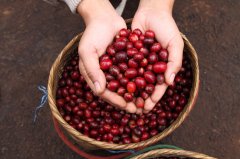
El Pacamara Central America is known as the "country of volcanoes" to harvest coffee by hand.
Country: El Salvador Grade: SHG production area: Izalco area, Sonsonate Province, planting height: 1800 m picking season: January treatment: washing fermentation, sun drying varieties: Pacamara Manor: Finca Ataisi flavor: nut chocolate, passion fruit, cream, strawberry El Salvador is located in Central America, bordering Guatemala and Honduras in the north and west.

The flavor of El Salvador boutique coffee beans Central and South American coffee beans
Coffee in El Salvador is grown mostly by small farmers, who grow it in the traditional way: almost 100% shade. The coffee harvest lasts from November to March. The fresh fruit of coffee is picked by hand. On the whole, Salvadoran coffee inherits the mild quality of Sino-American coffee, which is soft, slightly sour and beautiful.
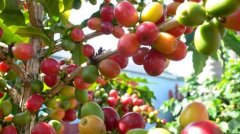
Learn about Salvadoran Coffee growing El Salvador Fine Coffee
Coffee in El Salvador is grown mostly by small farmers, who grow it in the traditional way: almost 100% shade. The coffee harvest lasts from November to March. The fresh fruit of coffee is picked by hand. On the whole, Salvadoran coffee inherits the mild quality of Sino-American coffee, which is soft, slightly sour and beautiful.
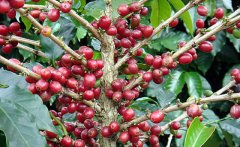
Boutique coffee single Ataisi Manor in El Salvador
Coffee in El Salvador is grown mostly by small farmers, who grow it in the traditional way: almost 100% shade. The coffee harvest lasts from November to March. The fresh fruit of coffee is picked by hand. On the whole, Salvadoran coffee inherits the mild quality of Sino-American coffee, which is soft, slightly sour and beautiful.
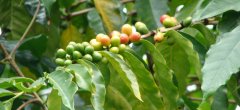
Ataisi Manor Pacamara single Black Coffee in El Salvador
Coffee in El Salvador is grown mostly by small farmers, who grow it in the traditional way: almost 100% shade. The coffee harvest lasts from November to March. The fresh fruit of coffee is picked by hand. On the whole, Salvadoran coffee inherits the mild quality of Sino-American coffee, which is soft, slightly sour and beautiful.

Ataisi Manor in El Salvador washes Pacamara Pacamara in microbatches
Coffee in El Salvador is grown mostly by small farmers, who grow it in the traditional way: almost 100% shade. The coffee harvest lasts from November to March. The fresh fruit of coffee is picked by hand. On the whole, Salvadoran coffee inherits the mild quality of Sino-American coffee, which is soft, slightly sour and beautiful.

Nicaraguan honey treats red bourbon boutique coffee Jim Molina Manor
Coffee in El Salvador is grown mostly by small farmers, who grow it in the traditional way: almost 100% shade. The coffee harvest lasts from November to March. The fresh fruit of coffee is picked by hand. On the whole, Salvadoran coffee inherits the mild quality of Sino-American coffee, which is soft, slightly sour and beautiful.
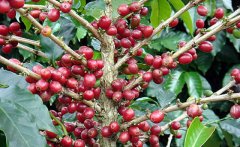
Nicaraguan Honey processed Red bourbon Coffee Raw Bean Jim Molina Manor Fine Coffee
Coffee in El Salvador is grown mostly by small farmers, who grow it in the traditional way: almost 100% shade. The coffee harvest lasts from November to March. The fresh fruit of coffee is picked by hand. On the whole, Salvadoran coffee inherits the mild quality of Sino-American coffee, which is soft, slightly sour and beautiful.
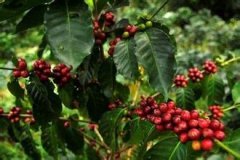
Ataisi Manor Pacamara American Fine Coffee in El Salvador
Coffee in El Salvador is grown mostly by small farmers, who grow it in the traditional way: almost 100% shade. The coffee harvest lasts from November to March. The fresh fruit of coffee is picked by hand. On the whole, Salvadoran coffee inherits the mild quality of Sino-American coffee, which is soft, slightly sour and beautiful.
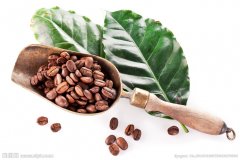
Ataisi Manor in El Salvador
Coffee in El Salvador is grown mostly by small farmers, who grow it in the traditional way: almost 100% shade. The coffee harvest lasts from November to March. The fresh fruit of coffee is picked by hand. On the whole, Salvadoran coffee inherits the mild quality of Sino-American coffee, which is soft, slightly sour and beautiful.

Nicaraguan boutique coffee introduces world boutique coffee black coffee
Nicaragua Shangri-La Esperanza producing country: Nicaragua Grade: SHG planting area: Sinotega label: Shangri-La Esperanza treatment method: wet treatment and sun-drying appearance: 0dgamble 300grgrgrgrRere 17-18SCR Variety: Kaddura Note: dry aroma full of chocolate flavor, accompanied by hazelnut and cocoa flavor. The wet aroma also tastes of chocolate.

Single pure black coffee El Ataisi Manor washing Pacamara Pacamara
Coffee in El Salvador is grown mostly by small farmers, who grow it in the traditional way: almost 100% shade. The coffee harvest lasts from November to March. The fresh fruit of coffee is picked by hand. On the whole, Salvadoran coffee inherits the mild quality of Sino-American coffee, which is soft, slightly sour and beautiful.

El Ataisi Estate Pacamara Cooked Bean Boutique Coffee
Coffee cultivation in El Salvador is mostly smallholder, with farmers following traditional methods: almost 100 per cent shade cultivation. The coffee harvest lasts from November to March. All are hand-picked to harvest fresh coffee. Overall, Salvadoran coffee inherits the mild qualities of Central American coffee, overall soft, slightly sour, with a nice

El Salvador Ataisi Manor Pacamara Pacamara boutique black coffee
Coffee in El Salvador is grown mostly by small farmers, who grow it in the traditional way: almost 100% shade. The coffee harvest lasts from November to March. The fresh fruit of coffee is picked by hand. On the whole, Salvadoran coffee inherits the mild quality of Sino-American coffee, which is soft, slightly sour and beautiful.
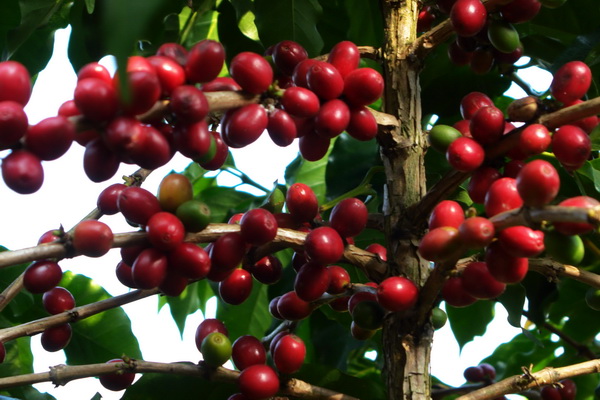
El Salvador Ataisi Manor Pacamara boutique new beans, coffee, raw beans
Coffee in El Salvador is grown mostly by small farmers, who grow it in the traditional way: almost 100% shade. The coffee harvest lasts from November to March. The fresh fruit of coffee is picked by hand. On the whole, Salvadoran coffee inherits the mild quality of Sino-American coffee, which is soft, slightly sour and beautiful.
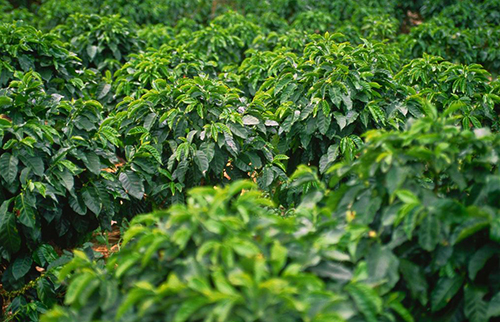
Fine coffee, high quality washed raw beans, El Salvador Ataisi Manor Pacamara.
Coffee in El Salvador is grown mostly by small farmers, who grow it in the traditional way: almost 100% shade. The coffee harvest lasts from November to March. The fresh fruit of coffee is picked by hand. On the whole, Salvadoran coffee inherits the mild quality of Sino-American coffee, which is soft, slightly sour and beautiful.